We set out to give every track in the library a deep, objective description. The hard part was the first question: what does objective even mean for music? The answer came from musicology, and it became the specification a machine could follow.
The entire AI music debate assumes it is about songs. Both sides, AI companies and the music industry alike, are negotiating within a category that is already being outgrown. The more consequential future of sound lies elsewhere.
Upload platforms make decisions — about what counts as music, who owns it, whether it is human. Most chose not to. CORPUS built the infrastructure for choosing differently.
Originality feels self-evident until examined. It is central to art, value, and legal protection, yet collapses quickly under scrutiny. Anyone who has seriously practiced or studied art knows how fragile the concept really is.
Copyright law was never designed to govern learning. As machine learning externalizes learning itself (fast, scalable, transferable), a conceptual gap opens that existing doctrines cannot close. This essay explains why that gap exists and what kind of legal thinking the moment demands.
The idea that AI-generated music contains a traceable ‘DNA’ of individual training songs is a misconception. Similarity in the output is not proof of origin, but coincidence. Generative models work because millions of inputs dissolve into abstract structures.
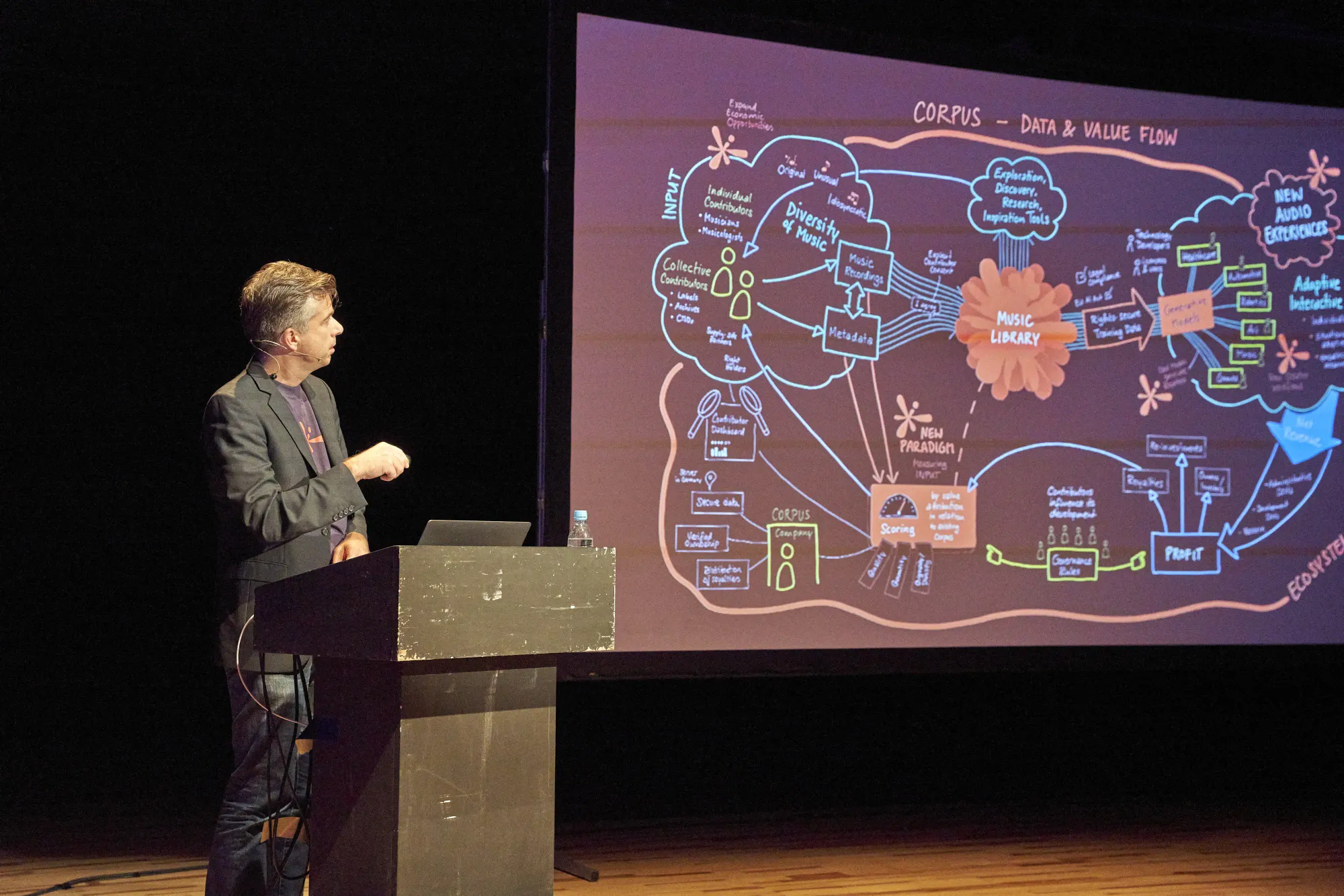
CORPUS LIVE made our digital project tangible. With musicians, discussions, and live performances, we showed what drives us: a real community, a serious commitment to music, and an infrastructure that embraces complexity. The evening marked the public start of a project built by people who care.
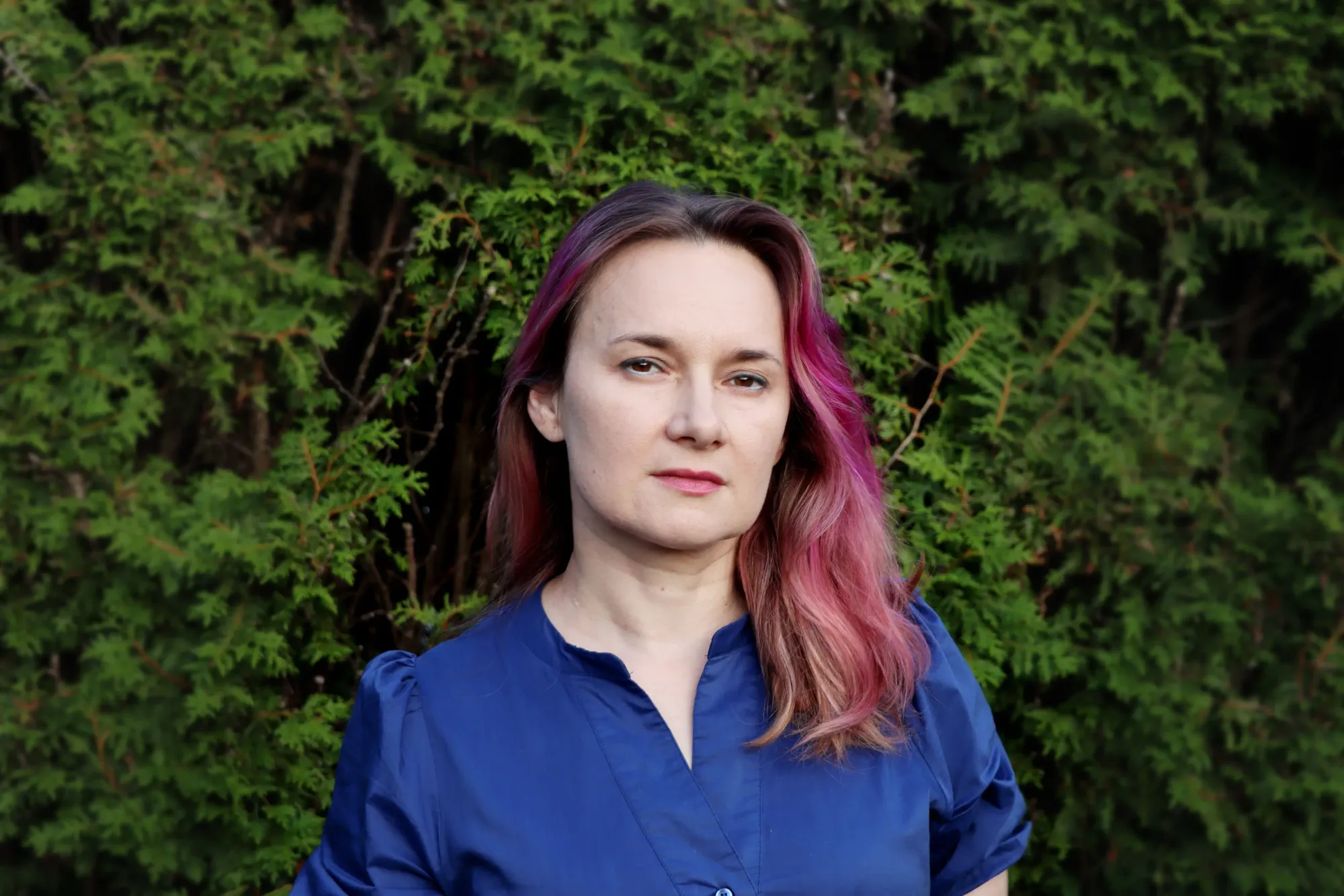
AI tools can now create music at the click of a button — but does that mean we should stop making it ourselves? Composer Kasia Głowicka reminds us that the real magic of music isn’t just the finished track, but the messy, rewarding process of creating it.
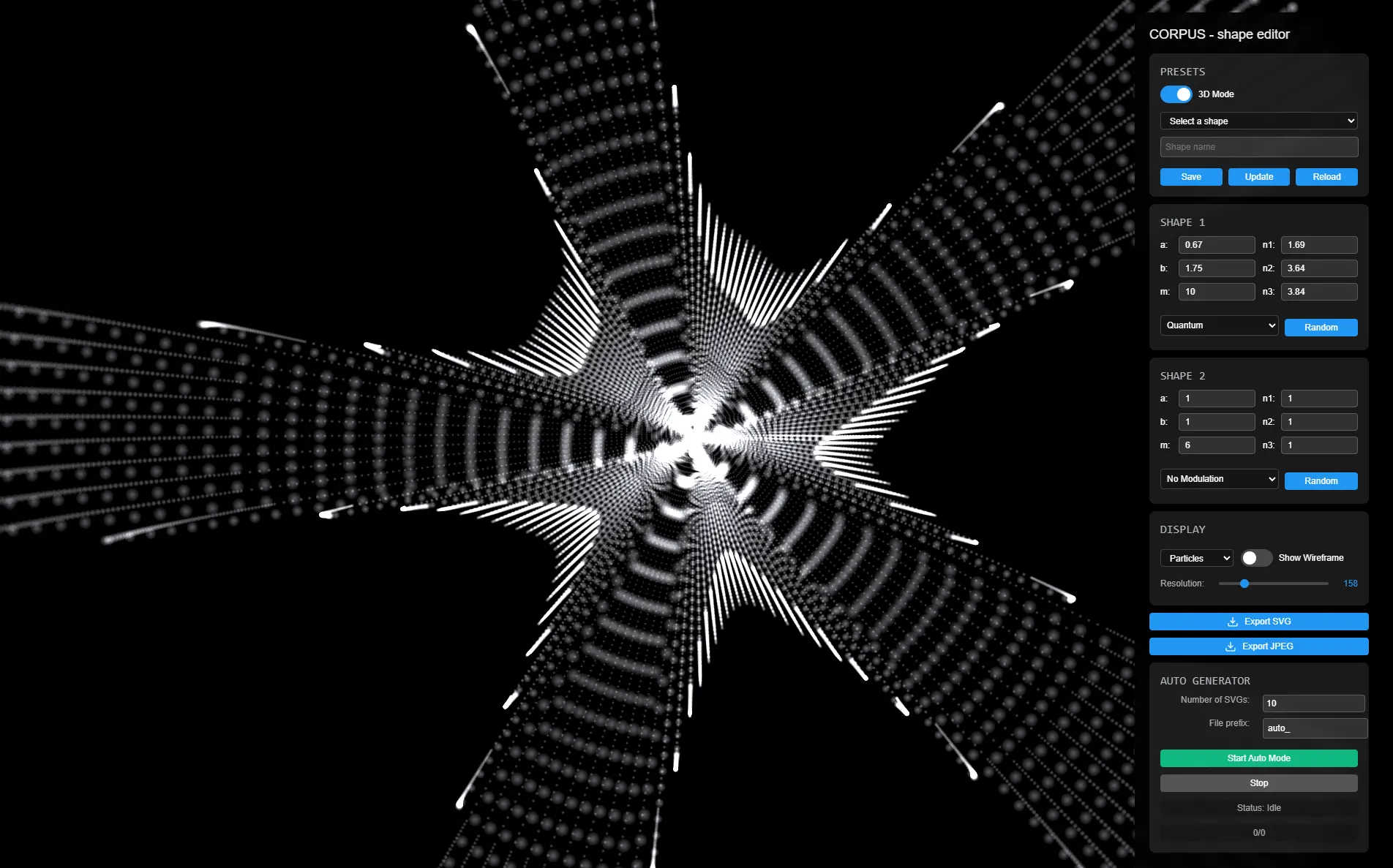
Inspired by nature and music, the CORPUS visualization on corpus.music shows data as a living system. CTO Lars Ullrich shares how algorithmic forms become visual storytelling—an evolving network where every contribution counts.
Generative AI music arrived faster than the systems meant to govern it. The gap between capability and accountability is where the next music industry gets built — or doesn't.